-
Dave DenBoer, Product Development Manager talks about anthracnose and how to identify and when to consider harvesting your corn crop.
-
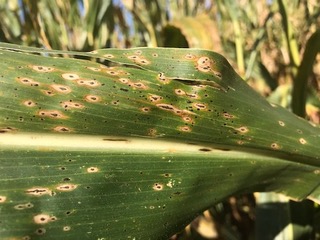
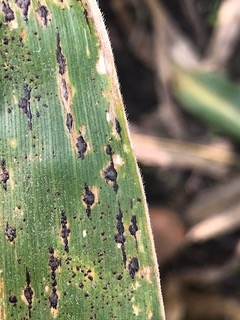
Talking about the importance of scouting your field for tar spot and when to harvest.
-
Tar spot of corn is a foliar disease common to areas of Latin America, where it is considered the most important disease of corn. The first reported occurrences of tar spot in the United States were confirmed in Illinois and Indiana in 2015. The disease has spread quickly and has since been found in SW Ontario in 2020. Certain growing seasons...
-
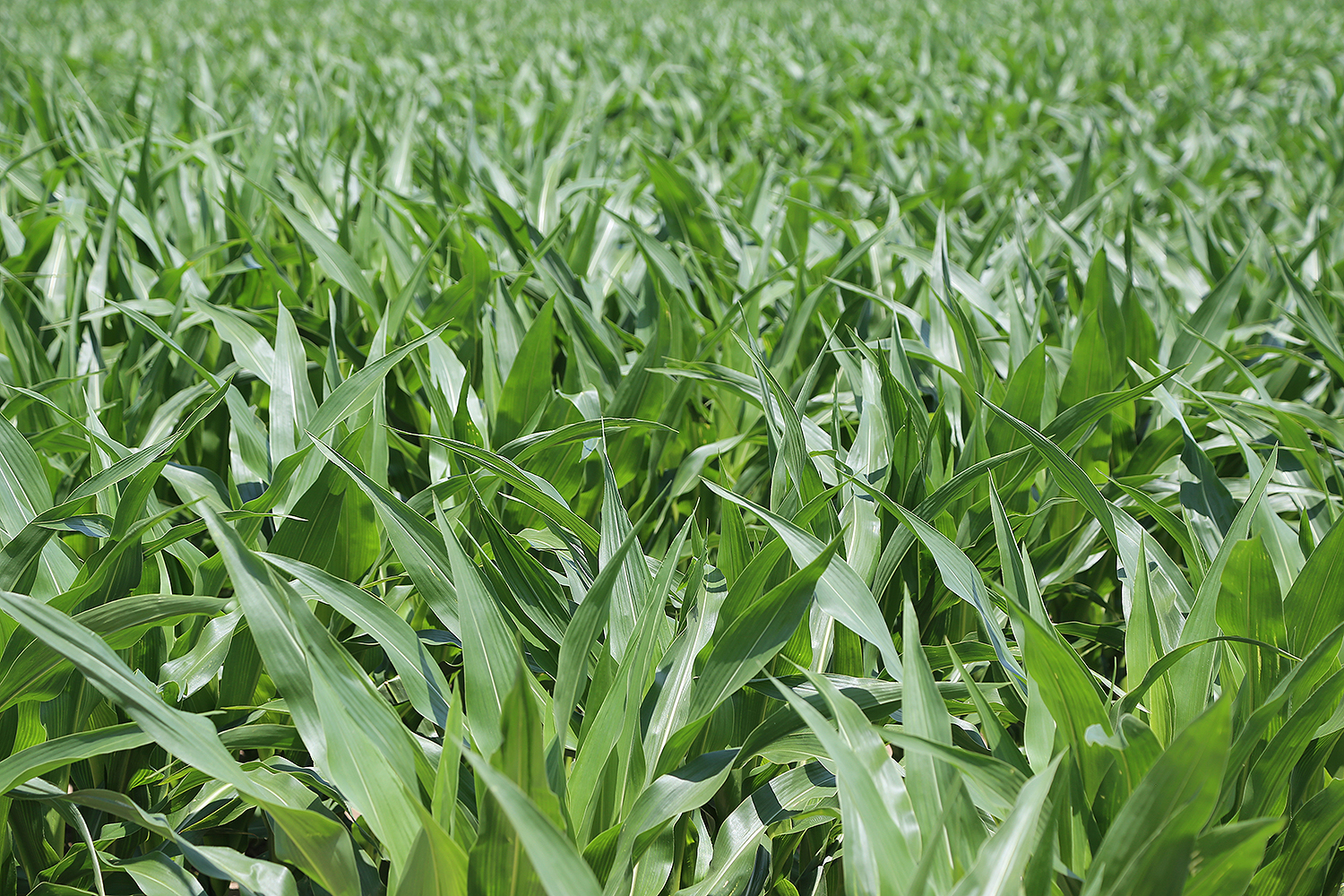
Between August and October the corn plant will go through the six stages of grain fill to reach physiological maturity.
-
During the 2021 growing season we will be documenting the performance of many of our hybrids throughout each stage of growth.
Watch as our agronomists detail the state and progress of each hybrid. Here is the first series from early July.
CORN
SOYBEANS
-
The PRIDE Seeds product line is derived for a global breeding and testing program designed to develop and select best-in-class corn hybrids. Matching best-in-class genetics with farm-best trait and treatment technologies optimizes and mitigates many of the risks associated with crop production.
TRAITS THAT DELIVER

For high yield potential, get...
-
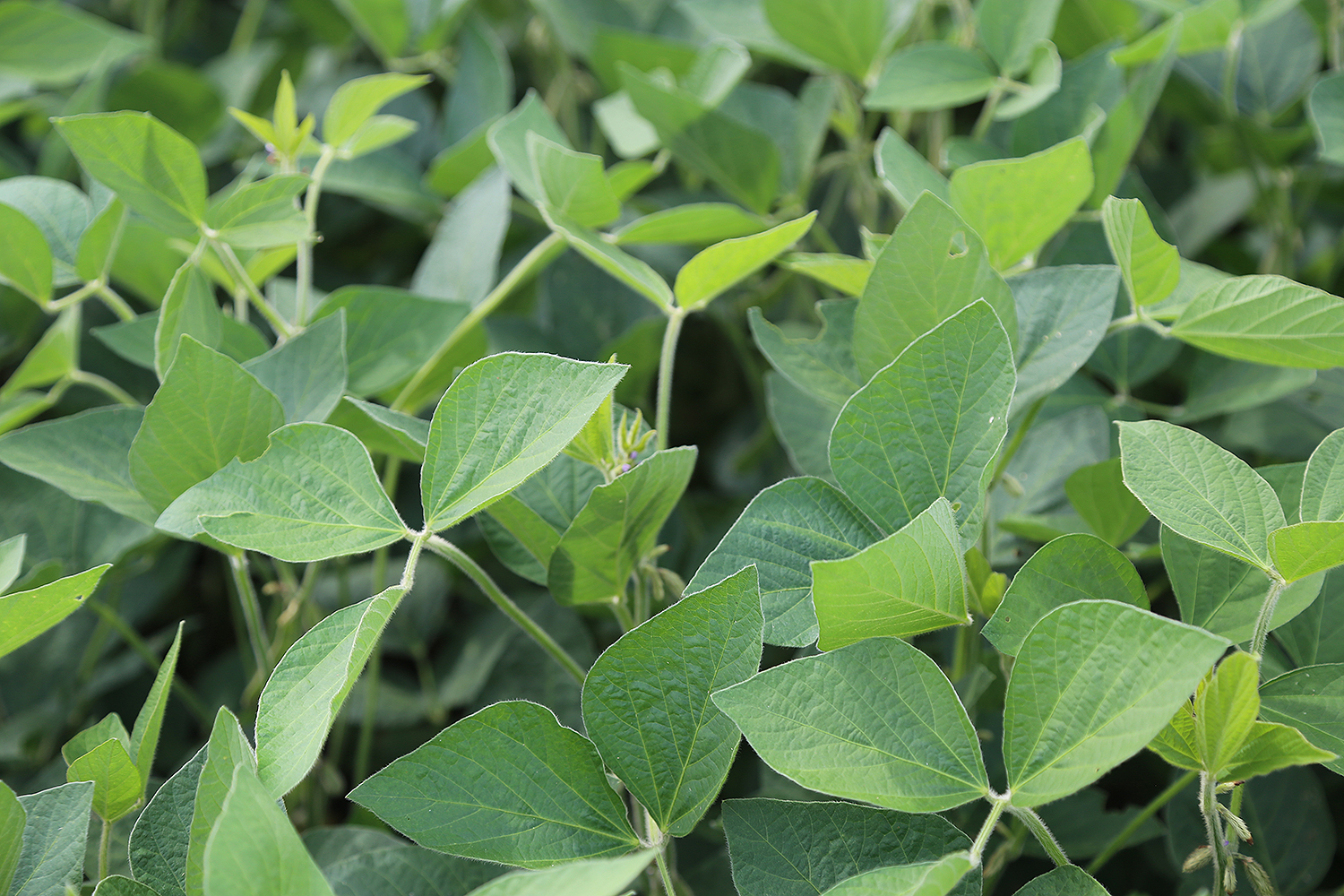
Enlist Soybeans, what does that really mean? Watch this video with Matt Chapple and Amanda Craven as they talk about PRIDE EN Soybeans.
-
Check out the video as Matt Chapple and Amanda Craven talk about fungicide applications in your corn crop. Why you would do it, when you would do it, and what is being accomplished by doing it.
-
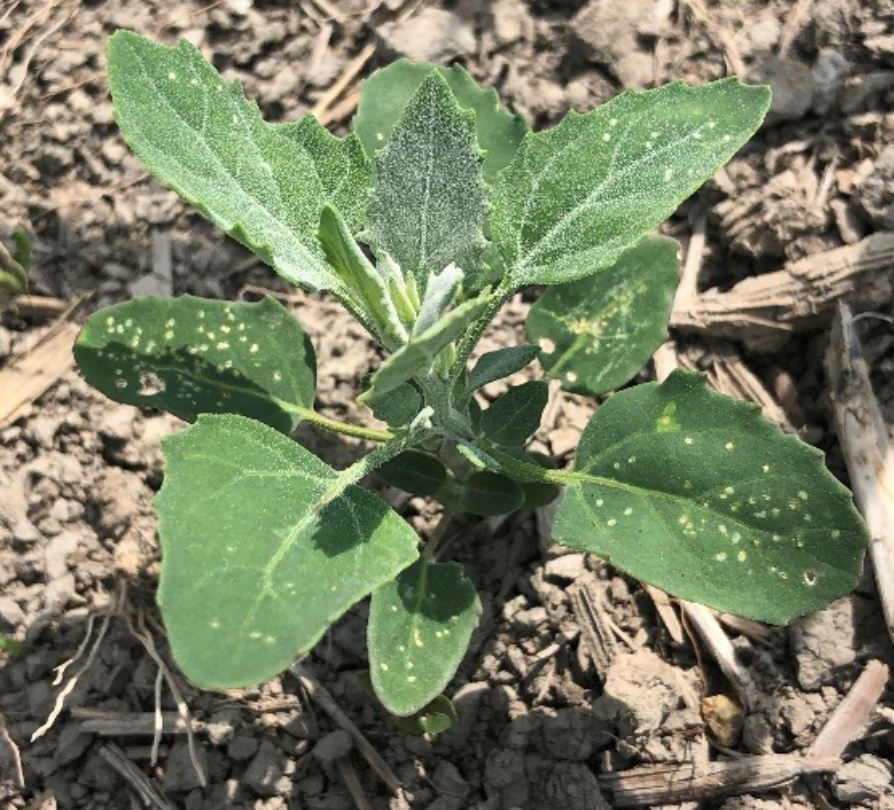
It is sometimes difficult to control certain weeds, even with glyphosate. What can explain the low effectiveness of glyphosate?
Often the cause is too late application. Two problematic weeds at this level are lambsquarters and velvetleaf.


REASON: These 2 weeds have a high calcium content, which may...
-
On a parfois de la difficulté à contrôler certaines mauvaises herbes, même avec le glyphosate. Qu’est-ce qui peut expliquer une faible efficacité du glyphosate?
Souvent la cause est une application à un stade trop avancé des mauvaises herbes. Deux mauvaises herbes problématiques...